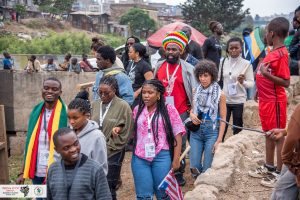
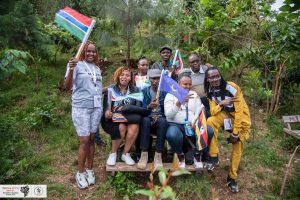
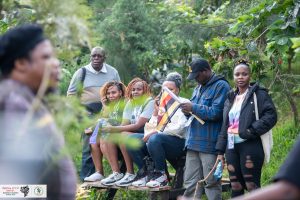
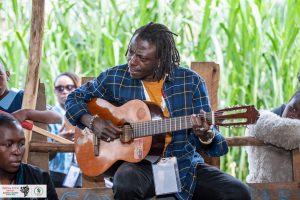
Day I: Pan African Activists Gathering

 Day I: Pan African Activists Gathering
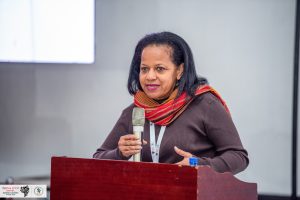
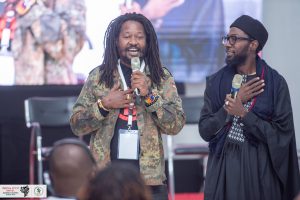
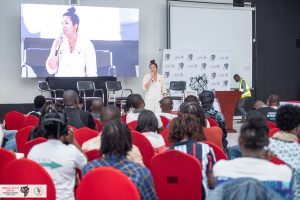
The first day of the Afrikki Pan African Activists gathering kicked off with an opening statement by Kinna Likimani from Afrikki. She welcomed all the activists to Nairobi, Kenya on behalf of the field marshals, Afrikki’s Kenyan partners and Afrikki.
She emphasized that the gathering was organized to bring Afrikki’s founding movements to Kenya, to reconnect themselves to the founding movements, to reconnect to the movements and activists that had participated in previous Afrikki events and to introduce new activists and movements to Afrikki.
Afrikki’s Nadia Torqui made a presentation on the history and core values of Afrikki, reiterating the organization’s purpose as a convergence of struggles. She emphasized the organization’s ambition to awaken the African conscience through mass action while providing a voice to more people fighting against oppression. Reference was made to Afrikki’s first convening in 2018 in which 44 movements from 20 countries were represented.
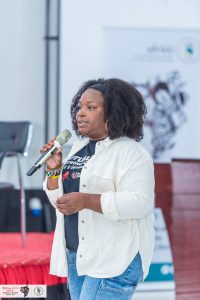
La’Die Manfield then followed with the presentation of Afrikki’s governance document. In her speech, she lauded social movements seeking to represent the voices of the citizenry and hold political leaders accountable. Afrikki’s objectives were established as strengthening social movements in the face of all the challenges facing the African continent while defining a new utopia for change within Africa and its diaspora.

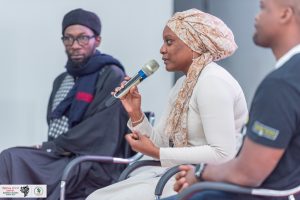
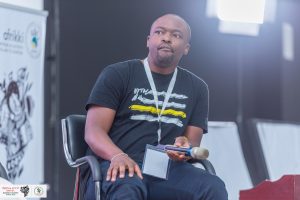
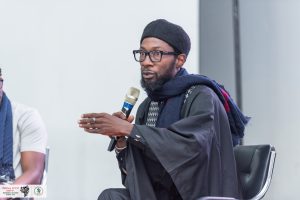
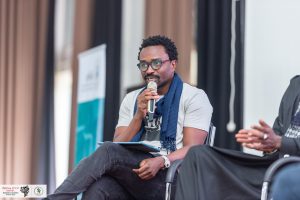
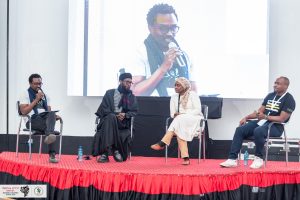
A powerful panel discussion on a retrospective of Afrikki’s journey, moderated by Fred from Afrikki-Lucha followed. The session highlighted the history of UPEC AND Afrikki, tying it to the birth of the current gathering and similar ones before it. Panelists Maimouna, Fadel and Sylvain from partner movements discussed various aspects of Afrikki’s evolution over the years.

Of note was the introduction of the KARIBU safe space for African activists in danger, the fund set aside to help activists in danger and the Afrikki activist exchange program where youth activist cohorts get embedded in other countries to witness and learn from their activist efforts.

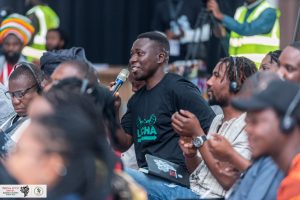
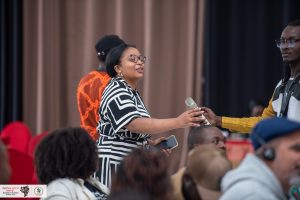
A general question and answer session followed, giving rise to key questions including ways to prevent the formation of splinter groups that impede joint cooperation, the need for dedicated and safe communication systems for activists to reach Afrikki (and vice versa) and a framework to deal with issues of missing activists.

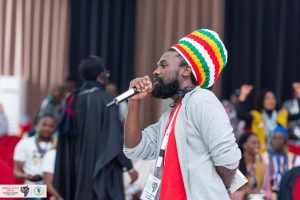
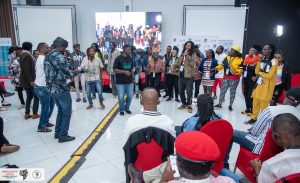
Fadel later moderated a session on the introduction of the activists and movements represented at the event. A total of # activists and # movements from # African countries were present.

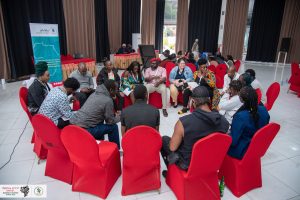
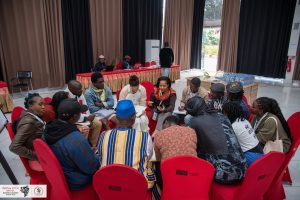
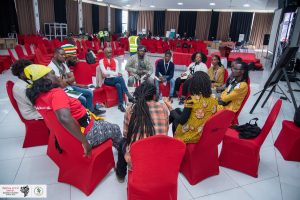
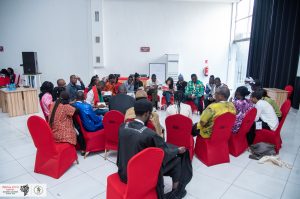
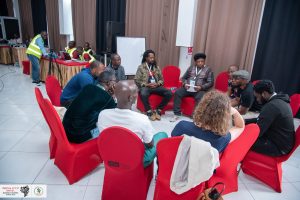
The afternoon session started with break-out sessions to discuss the current challenges faced from a Pan-African lens. Six groups were formed- Kenya, Northern and Western Africa, Diaspora, Central Africa, Eastern Africa and Southern Africa. The key discussion points included;
  • Ensure a clarity of what the movements fight for.
  • People can revoke power from their leaders as they are the source of that power.
  • Divisions between men and women disunite them at a point when unity and fighting as one is necessary.

Day 1 in Pictures