Day II: Pan African Activists Gathering

 Day II: Pan African Activists Gathering
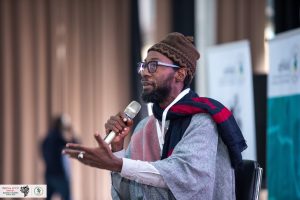
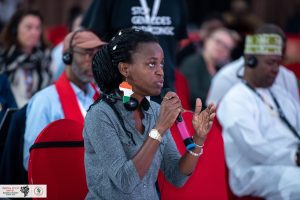
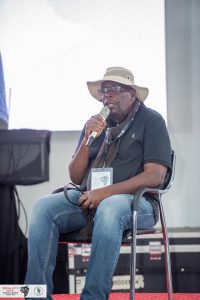
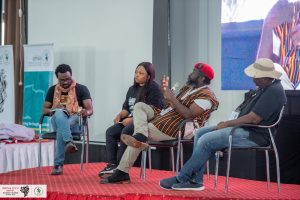
Second day started with a panel discussion on the political and environmental education in African movements. The panel was comprised of Inam Kula from South Africa, Oliver Vormawor from Ghana and Odhiambo Oyoko from Kenya.
The discussion stressed the importance of political education and an understanding of the structural and ideological challenges to enable resistance to foreign ideologies pushed by global institutions such as the World Bank and the IMF. It recommended enhanced community engagement, solutions to address the fragmentation of movements, connection of online and offline activism and the need for ideological flexibility in activism to maintain momentum.
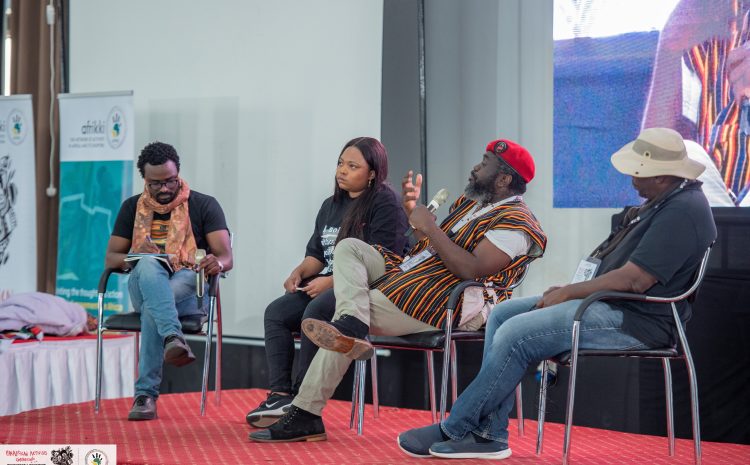
A Q&A session followed where the role of political education within grassroots movements was reiterated. A call was made to create a unified activism front and integrate political education into social movements

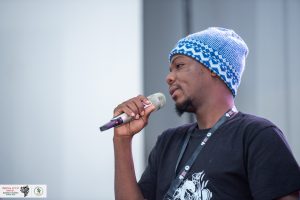
The second panel focused on Afrikki’s Movement-Exchange program, highlighting the opportunities and lessons learnt. The panelists, Rebecca Kabuo of Afrikki-Lucha, Binetou Diallo of Yen a marre movement and Sylvestre Ouedraogo of Balai Citoyen praised the program for fostering unity and empowerment of young African leaders to embrace a broad African identity and collaborate in solidarity.

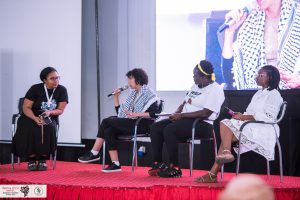
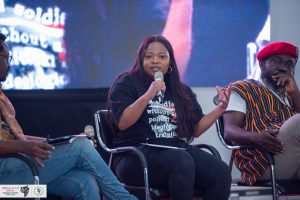
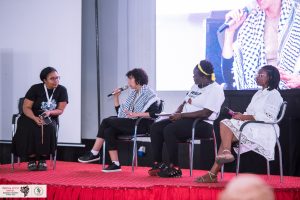
The third-panel discussion focused on feminist movements in Africa. The panel featured Nana Akosua Hansen, Editha Ochieng and Henda Senawi as they shared their motivations and pathways to feminist activism. The session emphasized the intersectionality of feminism with gender, race and sexuality and the need for an inclusive and contextually relevant feminist movement that recognizes and addresses the diverse struggles of all individuals, including queer and trans community.
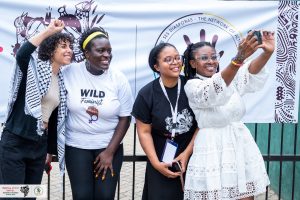
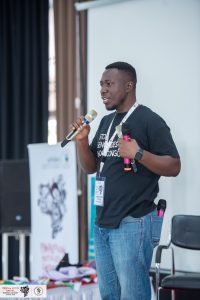
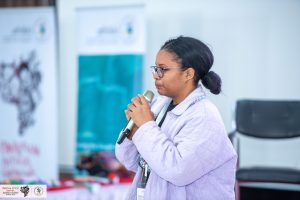
The afternoon program was breakout room sessions on activity support and capacity building. The session highlighted issues surrounding resource mobilization for activists in trouble, capacity building of movements, mechanisms of support, protection and solidarity for activists in danger and communication strategies aimed at activists’ well-being.

The day ended with a presentation of the Afrikki constitution, highlighting its governance process, governance structure and the transition period from 2024-2026 in its growth phase.

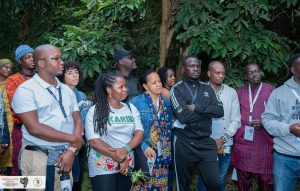
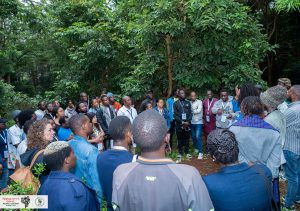
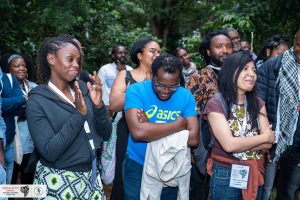
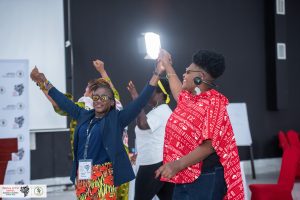
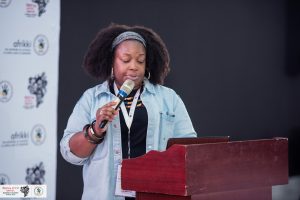
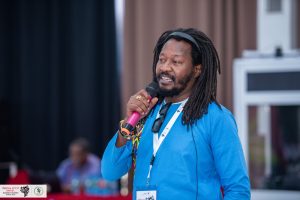
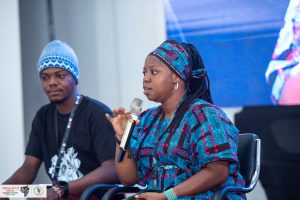
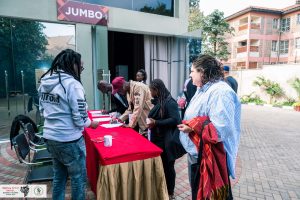
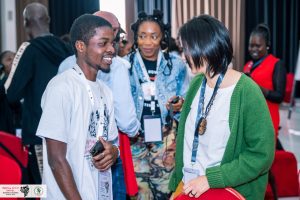
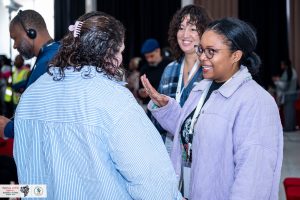
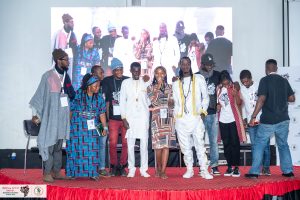
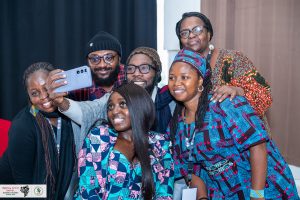
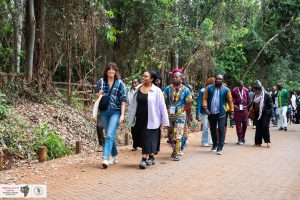
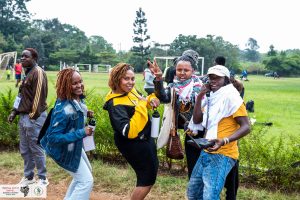
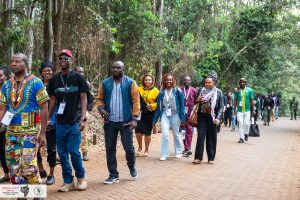
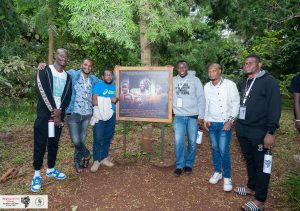
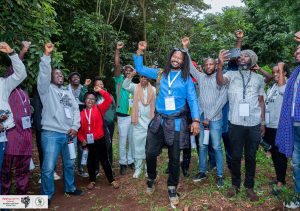
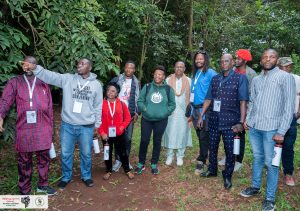
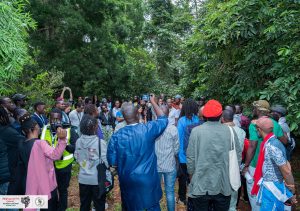
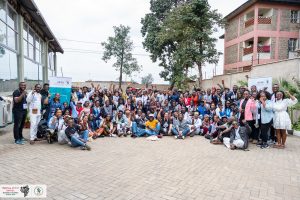
Day 2 in Pictures